Could Your Symptoms Be Caused by a Kidney Stone?

Kidney stones can remain in the kidney without causing any noticeable problems. It is often when a stone begins moving through the urinary tract that pain or other symptoms appear.

Understanding what is happening can help you know when your symptoms need attention and what may happen next.


Dr Jonathan Teo consultant urologist at Urology PracticeModern clinic lobby and patient waiting area at Urology Practice
Dr Jonathan Teo
Medical Director & Consultant Urologist
MBBS (S’pore), MRCS (Edin)
FRCS-Urol (Glas), FAMS (Urol)
Schedule a Consultation

How Do They Form?

Kidney stones are hard deposits that form when certain minerals and salts become concentrated in the urine and crystallise. They begin in the kidneys and can range from very small stones to larger deposits.

A stone may remain in the kidney without causing noticeable symptoms. Problems are more likely to arise when it moves into the ureter, the tube connecting the kidney to the bladder, where it may cause pain or interfere with the normal flow of urine.
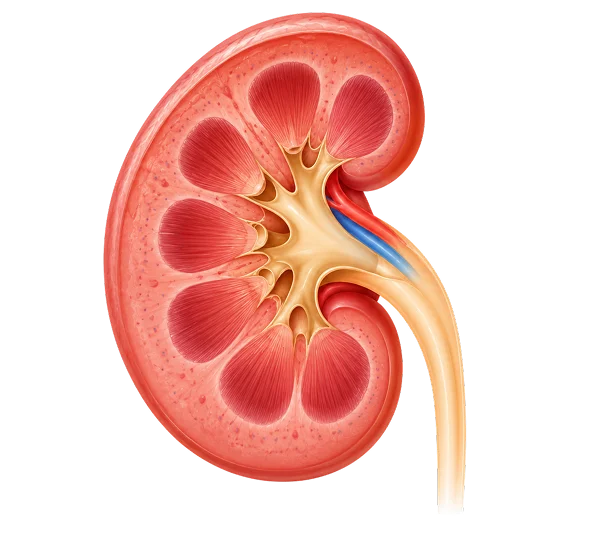
Medical cross-section illustration showing the internal anatomy of a healthy kidney where kidney stones form.
Kidney
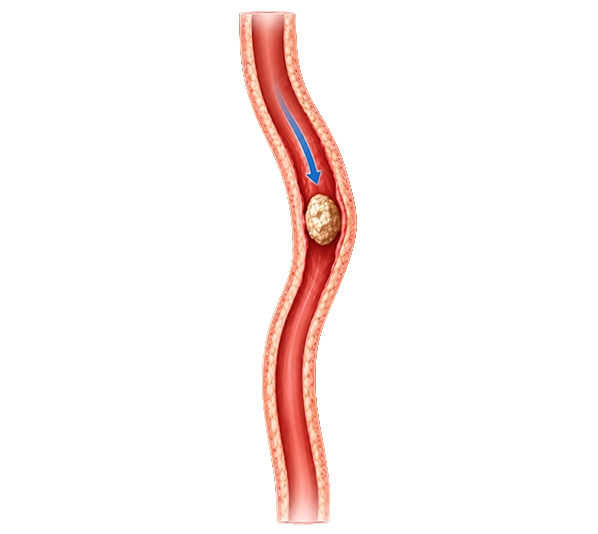
Diagram illustrating a kidney stone traveling down and causing blockage in the narrow ureter tube.
Ureter
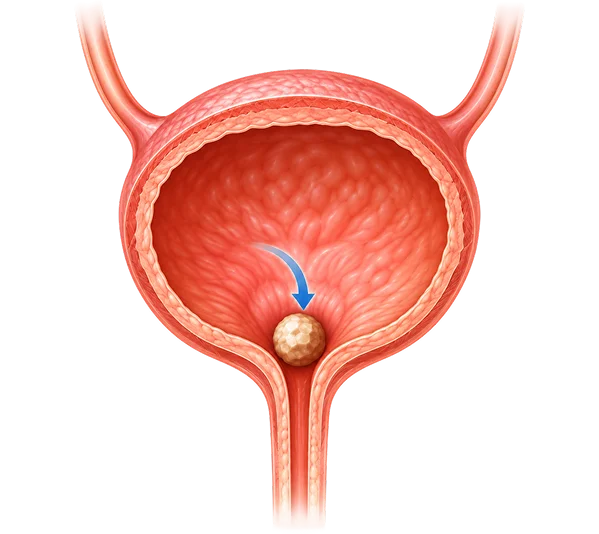
Cross-section illustration of a kidney stone reaching the bladder and moving toward the urethral opening.
Bladder
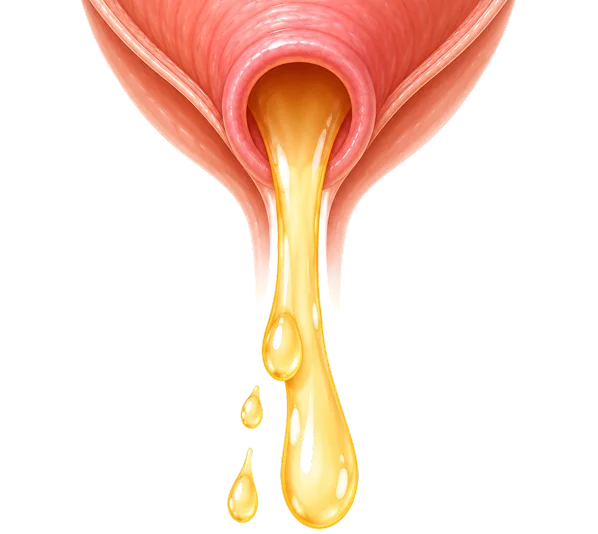
Diagram demonstrating the final stage of kidney stone excretion during urination through the urinary tract.
Urine

Not All Kidney Stones Are the Same

Kidney stones can be made up of different substances. Knowing what a stone is made of can sometimes provide clues about why it formed and what may help reduce the risk of another one developing.

Calcium Stones

Calcium Stones are the most common type of kidney stone and are usually made from calcium oxalate or calcium phosphate. Their formation can be influenced by factors such as concentrated urine, diet or certain medical conditions.

Uric Acid Stones

Uric Acid Stones can form when urine remains too acidic and may be associated with gout, or certain dietary and metabolic factors.

Struvite Stones

Struvite Stones are associated with certain urinary tract infections and can sometimes grow relatively quickly.

Cystine Stones

Cystine Stones are less common and occur in people with cystinuria, an inherited condition that results in higher levels of cystine in the urine.
Think Your Pain Could Be From a Kidney Stone?

If your symptoms sound familiar, speak with Dr Jonathan Teo to find out what may be causing them and what care you may need.

Schedule a Consultation

Why Do Some People Develop Kidney Stones?

Kidney stones form when substances in the urine become concentrated enough to crystallise. Several factors can create conditions that make this more likely.

Not drinking enough water can leave the urine more concentrated, giving stone-forming substances a greater chance to crystallise. In Singapore’s hot and humid climate, replacing the fluids you lose can be particularly important.
Diet can influence the concentration of certain substances in your urine. For example, a high salt intake can increase the amount of calcium passed into the urine, while other dietary factors may be relevant depending on the type of stone you are prone to forming.
Certain medical conditions can also affect the balance of substances in the urine. These include gout, hyperparathyroidism and certain digestive disorders.
Recurrent urinary tract infections may contribute to the formation of struvite stones when they are caused by certain types of bacteria.

What Does a Kidney Stone Feel Like?

A kidney stone may cause no symptoms while it remains in the kidney. Pain often begins when the stone moves into the ureter or interferes with the normal flow of urine.

Kidney stone symptoms may include:

  • Sudden, severe pain in the back or side
  • Pain that moves towards the lower abdomen or groin
  • Pain or a burning sensation when urinating
  • Blood in the urine
  • Needing to urinate more frequently
  • Nausea or vomiting

The pain can change as the stone moves through the urinary tract, so its location and intensity may shift over time.

!
When to Seek Prompt Medical Attention
Seek prompt medical attention if your symptoms are accompanied by fever or chills, you are unable to pass urine, the pain becomes difficult to manage, or persistent vomiting prevents you from keeping fluids down. These may indicate that the stone is causing a complication or that an infection is present.

Confirming the Presence of a Stone

Kidney stone symptoms can overlap with other conditions, so an assessment may be needed to establish what is causing them. Your symptoms and medical history can help guide the investigation, with tests used to confirm whether a stone is present and understand how it is affecting the urinary tract.

This may include:

  • Urine tests to check for blood, crystals or signs of infection.
  • Blood tests to assess kidney function and identify abnormalities that may be relevant to stone formation.
  • Imaging such as an ultrasound, X-ray or CT scan, to locate the stone, assess its size and determine whether it is obstructing the urinary tract.

The results can then help determine whether the stone can be monitored or whether treatment may be needed.

Explore Kidney Stone Treatment

Reducing the Risk of Another Stone

Having a kidney stone once does not mean you will necessarily develop another. However, a previous kidney stone increases your likelihood of forming another, particularly if the factors that contributed to stone formation remain present.

What may help depends on your individual risk factors and, where known, the type of stone you have formed. This can include:

01
Staying well hydrated to keep urine diluted and reduce the concentration of stone-forming substances.
02
Making dietary changes where appropriate, based on the type of stone and factors identified during your assessment.
03
Managing contributing health conditions that may increase your risk of forming stones.
04
Taking preventive medication where appropriate, depending on the type of stone and factors identified during your assessment.

Frequently Asked Questions About Kidney Stones

Having a family history of kidney stones can increase your likelihood of developing them, particularly if a close relative such as a parent or sibling has had stones. This may be related to inherited factors that affect how certain substances are handled by the body. However, family history does not mean you will necessarily develop kidney stones yourself.
A previous kidney stone can increase the likelihood of developing another, but follow-up is not necessarily the same for everyone. Your urologist may recommend further testing or imaging depending on your previous stones and risk of recurrence.
Not necessarily. The size of a stone is only one factor. Where it is located and whether it is moving through or obstructing the urinary tract can also affect the symptoms it causes. A smaller stone can therefore still cause significant pain.
Dr Jonathan Teo consultant urologist at Urology PracticeModern clinic lobby and patient waiting area at Urology Practice

Meet Our Doctor

Dr Jonathan Teo

Medical Director & Consultant Urologist

MBBS (S’pore), MRCS (Edin), FRCS-Urol (Glas), FAMS (Urol)

Dr Jonathan Teo is a consultant urologist with extensive experience assessing patients with kidney stones, including those who first present with symptoms such as sudden pain or urinary changes. He has managed a high volume of kidney stone cases across his public and private practice in Singapore. His approach focuses on establishing whether a stone is present and understanding how it is affecting the urinary tract, so patients can get clarity on what should happen next.

More About Dr Teo
Speak With Dr Jonathan Teo About Your Kidney Stone
If you are experiencing kidney stone symptoms, arrange a consultation with Dr Jonathan Teo today.
/html>